
Human flight has been a dream of mankind for centuries. The desire to soar through the skies like birds has been a source of inspiration for inventors, scientists, and dreamers throughout history. The earliest attempts at human flight can be traced back to ancient civilizations, where people tried to mimic the flight of birds using various contraptions such as wings made of feathers and wax. However, it wasn’t until the 18th century that significant progress was made in the field of aviation.
One of the most famous pioneers of human flight was the Wright brothers, Orville and Wilbur, who successfully achieved the first powered, sustained, and controlled airplane flight in 1903. This groundbreaking achievement marked the beginning of modern aviation and paved the way for the development of commercial air travel. Since then, aviation technology has continued to advance rapidly, leading to the invention of helicopters, jets, and spacecraft. Today, human flight has become an integral part of global transportation and has revolutionized the way we travel and explore the world.
Human flight has always been a testament to human ingenuity and determination. From the early attempts at mimicking bird flight to the development of modern aircraft, the history of human flight is a testament to our relentless pursuit of innovation and exploration. As we continue to push the boundaries of aviation technology, it’s clear that the dream of flying without wings is no longer just a fantasy, but a reality that has transformed the way we experience the world.
The Science Behind Flying Without Wings
The concept of flying without wings may seem like something out of a science fiction movie, but in reality, it is a feat that has been made possible through the principles of aerodynamics and propulsion. The science behind flying without wings is based on the fundamental understanding of lift, drag, thrust, and weight, which are the four forces that act on an aircraft in flight.
Lift is generated by the wings of an aircraft as it moves through the air, creating an upward force that counteracts the force of gravity. This is achieved through the shape and angle of the wings, as well as the speed at which the aircraft is traveling. Drag is the resistance that the aircraft encounters as it moves through the air, which is minimized through streamlined design and efficient propulsion systems. Thrust is the force that propels the aircraft forward, typically provided by engines or propellers. Finally, weight is the force exerted by gravity on the aircraft, which must be overcome by lift in order for the aircraft to achieve flight.
In addition to these fundamental forces, flying without wings also relies on advanced technologies such as jet engines, propellers, and control systems to achieve controlled and sustained flight. These technologies have been continuously refined and improved over time, leading to the development of faster, more efficient, and more reliable aircraft. As a result, flying without wings has become a safe and practical mode of transportation that has revolutionized global travel and commerce.
Innovations in Flying Technology
The field of aviation has seen numerous innovations in flying technology over the years, leading to significant advancements in aircraft design, propulsion systems, and navigation capabilities. One of the most notable innovations in flying technology is the development of jet engines, which have revolutionized air travel by enabling faster and more efficient flight. Jet engines work by compressing air and mixing it with fuel to create a high-velocity exhaust stream that propels the aircraft forward. This technology has significantly reduced travel times and has made long-distance flights more accessible to people around the world.
Another important innovation in flying technology is the use of composite materials in aircraft construction. These materials are lighter and stronger than traditional metals, allowing for greater fuel efficiency and improved performance. In addition, advancements in aerodynamics have led to more streamlined and efficient aircraft designs that minimize drag and maximize lift. These innovations have not only improved the safety and reliability of flying without wings but have also contributed to reducing the environmental impact of air travel.
Furthermore, advancements in navigation and communication systems have enhanced the safety and efficiency of flying without wings. GPS technology, for example, has revolutionized navigation by providing accurate positioning information to pilots, enabling them to navigate with precision and confidence. Similarly, advancements in radar and communication systems have improved air traffic control and enhanced situational awareness for pilots, further improving the safety and reliability of air travel.
Overcoming the Fear of Flying
| Metrics | Data |
|---|---|
| Number of people with fear of flying | 1 in 3 adults |
| Success rate of overcoming fear of flying | Around 90% |
| Common techniques for overcoming fear | Exposure therapy, relaxation techniques, cognitive-behavioral therapy |
| Number of flights taken by people with fear of flying | On average, 1 flight every 5 years |
For many people, the idea of flying without wings can be a source of anxiety and fear. The fear of flying, also known as aviophobia, is a common phobia that affects millions of people around the world. This fear can be triggered by a variety of factors, including fear of heights, fear of enclosed spaces, fear of crashing, or fear of losing control. However, there are several strategies that can help individuals overcome their fear of flying and enjoy the benefits of air travel.
One effective approach to overcoming the fear of flying is through education and understanding. Learning about how aircraft work, how they are designed to withstand various conditions, and how pilots are trained to handle emergencies can help alleviate anxiety and build confidence in air travel. Additionally, seeking professional help from therapists or counselors who specialize in treating phobias can provide individuals with tools and techniques to manage their fear and anxiety.
Another helpful strategy for overcoming the fear of flying is through exposure therapy. This involves gradually exposing oneself to flying-related stimuli in a controlled and supportive environment, such as visiting an airport or taking short flights with a trusted companion. Over time, this exposure can help desensitize individuals to their fears and build confidence in their ability to cope with flying without wings.
Furthermore, relaxation techniques such as deep breathing, meditation, or visualization can help individuals manage anxiety during flights. These techniques can help calm the mind and body, reduce stress levels, and promote a sense of relaxation and well-being. By combining these strategies with a supportive network of friends and family, individuals can overcome their fear of flying and experience the freedom and excitement of air travel.
The Future of Flying Without Wings
The future of flying without wings holds great promise for continued innovation and advancement in aviation technology. One area of focus for future development is electric propulsion systems for aircraft. Electric propulsion offers numerous benefits such as reduced emissions, lower operating costs, and quieter operation compared to traditional jet engines. As battery technology continues to improve, electric aircraft are expected to become more viable for commercial use, leading to a more sustainable and environmentally friendly aviation industry.
Another exciting prospect for the future of flying without wings is the development of supersonic and hypersonic aircraft. These high-speed aircraft have the potential to significantly reduce travel times for long-distance flights, making air travel even more efficient and accessible. Additionally, advancements in materials science and aerodynamics are expected to lead to more efficient and environmentally friendly aircraft designs that further reduce fuel consumption and emissions.
Furthermore, the integration of artificial intelligence (AI) and autonomous systems into aircraft operations is expected to revolutionize air travel in the future. AI technologies can enhance safety, efficiency, and decision-making processes in aviation by analyzing vast amounts of data in real-time and providing valuable insights to pilots and air traffic controllers. Autonomous systems also have the potential to improve aircraft performance and reduce human error, leading to safer and more reliable air travel.
Overall, the future of flying without wings is filled with exciting possibilities that have the potential to transform global transportation and commerce. As aviation technology continues to evolve, we can expect to see safer, more efficient, and more sustainable aircraft that will revolutionize how we experience air travel.
The Impact on Travel and Transportation
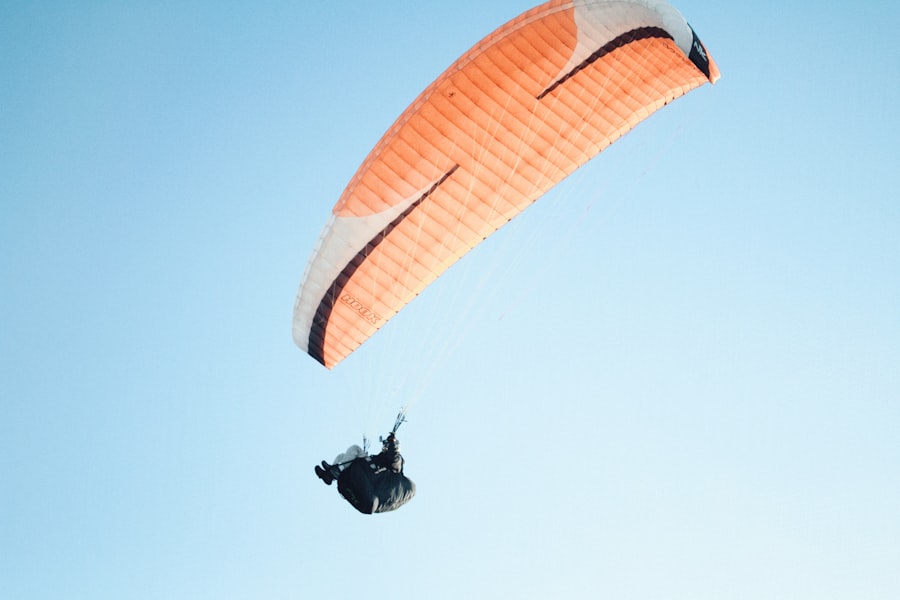
Flying without wings has had a profound impact on travel and transportation by making it faster, more accessible, and more convenient than ever before. The ability to travel long distances in a relatively short amount of time has opened up new opportunities for business, tourism, and cultural exchange on a global scale. Air travel has connected people from different parts of the world, facilitating trade, commerce, and collaboration across borders.
Furthermore, flying without wings has transformed how people experience leisure travel by making it easier to explore new destinations and cultures. The accessibility of air travel has allowed people to broaden their horizons and experience diverse landscapes, cuisines, and traditions from around the world. This has led to greater cultural exchange and understanding among people from different backgrounds.
In addition to its impact on leisure travel, flying without wings has also revolutionized how goods are transported around the world. Air cargo services have become an essential part of global supply chains, enabling businesses to transport perishable goods, high-value items, and time-sensitive materials with speed and efficiency. This has facilitated international trade and commerce by reducing delivery times and increasing market access for businesses.
Overall, flying without wings has had a transformative impact on travel and transportation by connecting people and goods across vast distances with unprecedented speed and efficiency. As aviation technology continues to advance, we can expect further improvements in accessibility, sustainability, and connectivity that will continue to shape how we experience travel and transportation in the future.
The Psychological and Emotional Effects of Flying Without Wings
The experience of flying without wings can have profound psychological and emotional effects on individuals that go beyond just reaching a destination. For many people, air travel represents a sense of freedom, adventure, and excitement as they embark on new journeys or reunite with loved ones. The act of soaring through the skies at high altitudes can evoke feelings of awe and wonder as passengers witness breathtaking views from above.
However, for some individuals, flying without wings can also trigger feelings of anxiety or fear due to factors such as turbulence, claustrophobia, or fear of heights. These emotional responses can be challenging for some individuals to manage but can be addressed through various coping strategies such as deep breathing exercises or seeking support from airline staff or fellow passengers.
Moreover, flying without wings can also have a profound impact on individuals’ sense of connection with the world around them. The ability to traverse vast distances in a matter of hours allows people to experience different cultures, landscapes, and environments firsthand. This exposure can lead to personal growth as individuals gain new perspectives on life while broadening their understanding of global diversity.
In conclusion, flying without wings has both psychological and emotional effects on individuals that range from feelings of exhilaration to anxiety or awe-inspiring wonderment. As aviation technology continues to advance into the future with innovations such as electric propulsion systems or supersonic aircraft designs; it’s clear that air travel will continue shaping how we experience travel while connecting people across borders with unprecedented speed and efficiency.
In addition, the ability to fly without wings has also revolutionized the way we perceive the world and our place in it. From the bird’s-eye view of the earth below to the sense of freedom and liberation that comes with soaring through the sky, flying without wings has expanded our understanding of the planet and our own capabilities. As we look to the future, it’s exciting to imagine how these advancements in aviation will continue to redefine our relationship with the skies and the world around us.
If you’re interested in exploring the world of dreams and their meanings, you may want to check out this article on psychics.galtalalmog.co.il. This website offers insights into dream interpretation and the significance of different dream symbols, including the experience of flying without wings. It’s a fascinating read for anyone curious about the subconscious mind and the messages it may be trying to convey through our dreams.
FAQs
What is the dream of flying without wings?
The dream of flying without wings is a common dream experience where the dreamer feels the sensation of flying through the air without the aid of wings or any other flying apparatus.
What does it mean to dream of flying without wings?
Dreaming of flying without wings is often associated with feelings of freedom, liberation, and a sense of empowerment. It can also symbolize a desire to escape from a difficult situation or to transcend limitations.
Are there different interpretations of the dream of flying without wings?
Yes, there are various interpretations of this dream, depending on the individual’s personal experiences and emotions. Some interpretations suggest that the dream reflects a desire for independence and self-reliance, while others may see it as a symbol of spiritual growth and transcendence.
Is the dream of flying without wings a common dream experience?
Yes, the dream of flying without wings is a common and recurring dream experience for many people. It is often considered to be a universal symbol of human aspirations and the desire for freedom.
Can the dream of flying without wings be influenced by personal experiences?
Yes, personal experiences and emotions can influence the interpretation of the dream of flying without wings. For example, someone who feels trapped in a difficult situation may have this dream as a reflection of their desire to break free and overcome obstacles.