
Dreams involving ghosts have been a subject of human interest throughout history, often representing a connection between conscious awareness and unconscious thought, as well as between the living and the deceased. These figures typically appear during sleep with mysterious qualities that create a sense of unease. Dreaming about ghosts can trigger various emotional responses, including fear, anxiety, curiosity, and self-reflection.
People often continue to analyze these dreams after waking, leading them to contemplate questions about existence, mortality, and unresolved personal matters. The frequency of ghost-related dreams stems from both psychological and cultural influences. In dream analysis, ghosts often function as symbols for aspects of the psyche that individuals have not fully processed or acknowledged while awake.
They may represent suppressed fears, forgotten memories, or ongoing internal conflicts stored in the subconscious mind. Examining dreams about ghosts reveals multiple layers of psychological significance that correspond to a person’s emotional condition, demonstrating how these spectral images function as reflections of internal emotional states.
Key Takeaways
- Dreams about ghosts often symbolize unresolved emotions or past experiences.
- Fear and anxiety in these dreams may reflect inner turmoil or stress.
- Such dreams can indicate lingering regrets or unfinished business in waking life.
- Cultural background and personal beliefs significantly shape the meaning of ghost dreams.
- Interpreting these dreams can help individuals seek closure and emotional resolution.
The Symbolism of Ghosts in Dreams
Ghosts in dreams are rich in symbolism, often representing the remnants of past experiences or emotions that have not been fully processed. They can embody feelings of loss, nostalgia, or even guilt, acting as reminders of what once was. For instance, dreaming of a deceased loved one may signify a longing for connection or unresolved feelings surrounding their passing.
In this context, the ghost serves as a conduit for expressing emotions that may be too painful to confront directly in waking life. Moreover, ghosts can symbolize aspects of ourselves that we have repressed or denied. They may represent fears or insecurities that haunt us, manifesting as spectral figures in our dreams.
For example, a person who has experienced trauma may dream of a ghost that embodies their unresolved pain. This haunting presence can serve as a catalyst for self-reflection and healing, urging the dreamer to confront their fears and seek resolution. The symbolism of ghosts in dreams is multifaceted, reflecting both personal and collective experiences that shape our understanding of life and death. Discover the fascinating insights into the meaning of dreams and unlock the secrets of your subconscious mind.
Fear and Anxiety in Dreams about Ghosts
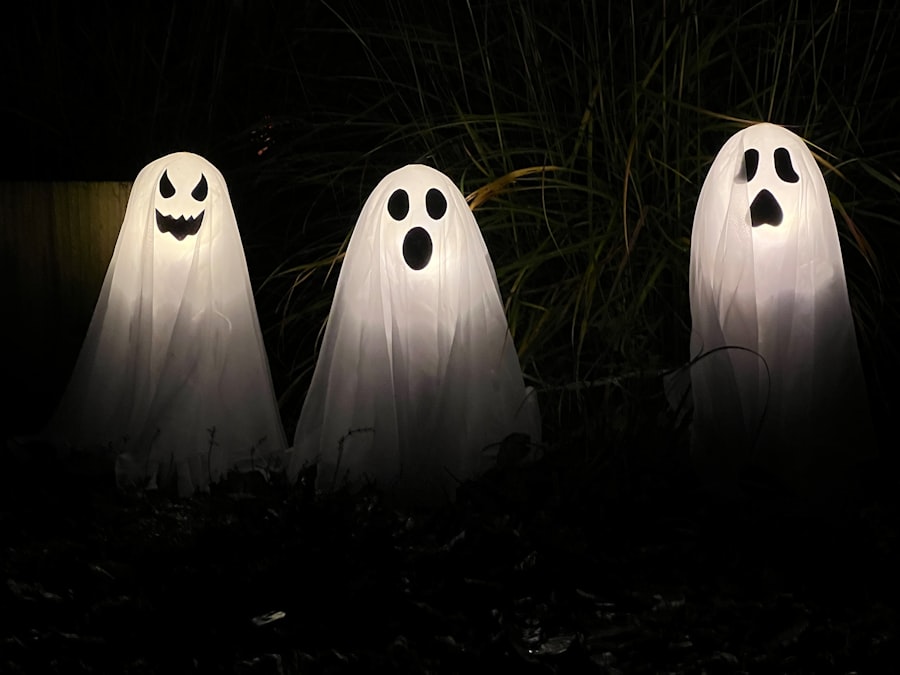
Fear is a common emotional response to dreams involving ghosts, often stemming from the unknown and the uncanny nature of these apparitions. The presence of a ghost in a dream can evoke feelings of dread or terror, particularly if the ghost is perceived as malevolent or threatening. Such dreams may tap into deep-seated anxieties about mortality, loss, or the afterlife, reflecting our innate fears of what lies beyond death.
The dreamer may awaken with a racing heart or a sense of unease, grappling with the implications of their nocturnal encounter. Anxiety in dreams about ghosts can also arise from unresolved issues in waking life. For instance, an individual facing significant stress or uncertainty may dream of a ghost as a manifestation of their internal turmoil.
The ghost may symbolize the weight of unaddressed problems or fears that loom large in their consciousness. In this way, dreams about ghosts can serve as a mirror to our anxieties, prompting us to confront the sources of our distress and seek ways to alleviate it. The interplay between fear and anxiety in these dreams underscores the complex relationship between our emotional states and the spectral figures that inhabit our subconscious.
Unresolved Issues and Regrets in Dreams about Ghosts
Dreams featuring ghosts often highlight unresolved issues or regrets that linger in our lives. These spectral figures can serve as poignant reminders of relationships left unhealed or opportunities missed. For example, someone who has experienced a falling out with a friend may dream of that person’s ghost, symbolizing their desire for reconciliation or closure.
The presence of the ghost can evoke feelings of guilt or remorse, urging the dreamer to reflect on their actions and consider how they might address these unresolved conflicts. In many cases, these dreams act as a call to action, prompting individuals to confront their regrets head-on. A person who has neglected to express their feelings to a loved one may find themselves haunted by the ghost of that individual in their dreams.
This haunting presence can serve as a powerful motivator for change, encouraging the dreamer to take steps toward resolution and healing. By acknowledging these unresolved issues within the dream state, individuals can begin to process their emotions and work toward finding closure in their waking lives.
Communication with the Spirit World in Dreams about Ghosts
For some individuals, dreams about ghosts are perceived as a form of communication with the spirit world. Many cultures hold beliefs that dreams can serve as a conduit for messages from deceased loved ones or spiritual entities. In this context, dreaming of a ghost may be interpreted as an invitation to connect with those who have passed on, offering comfort or guidance from beyond the grave.
Such dreams can provide solace to those grieving the loss of a loved one, reinforcing the idea that connections persist even after death. The nature of communication in these dreams can vary widely. Some individuals report receiving specific messages or insights from the ghostly figures they encounter, while others may simply feel a sense of presence or reassurance.
For example, a person grieving a parent may dream of that parent’s ghost offering words of wisdom or encouragement during a difficult time. This experience can foster a sense of peace and closure, allowing the dreamer to feel supported by their loved one even after their physical departure.
Seeking Closure and Resolution in Dreams about Ghosts

Dreams about ghosts often serve as a means for individuals to seek closure and resolution regarding past experiences or relationships. The presence of a ghost can symbolize unfinished business or lingering emotions that require attention. In this way, these dreams can act as therapeutic tools, providing an opportunity for introspection and healing.
For instance, someone who has experienced a traumatic event may dream of a ghost representing that experience, prompting them to confront their feelings and work toward healing. The process of seeking closure through dreams can take various forms. Some individuals may find themselves engaging in conversations with the ghost, expressing feelings they were unable to articulate while the person was alive.
Others may experience cathartic moments where they release pent-up emotions associated with grief or regret. This dynamic interaction with ghostly figures can facilitate personal growth and transformation, allowing individuals to move forward with greater clarity and understanding.
The Influence of Culture and Beliefs on Dreams about Ghosts
Cultural beliefs play a significant role in shaping how individuals interpret dreams about ghosts. Different cultures have varying perspectives on death, the afterlife, and the existence of spirits, which can influence how people perceive their nocturnal encounters with ghostly figures. In some cultures, dreaming of a ghost may be seen as an auspicious sign or a message from ancestors seeking to impart wisdom or guidance.
In contrast, other cultures may view such dreams as ominous warnings or manifestations of unresolved issues. For example, in many Indigenous cultures, dreams are considered sacred spaces where individuals can connect with their ancestors and receive guidance from the spirit world. Dreaming of a ghost in this context may be interpreted as an invitation to honor one’s heritage and seek wisdom from those who came before.
Conversely, in cultures where death is viewed with fear or trepidation, dreams about ghosts may evoke anxiety or dread, reflecting societal attitudes toward mortality and the unknown.
Coping with Dreams about Ghosts: Interpretation and Action
Coping with dreams about ghosts involves both interpretation and action. Understanding the underlying messages conveyed by these dreams can provide valuable insights into one’s emotional state and unresolved issues. Keeping a dream journal can be an effective tool for tracking recurring themes or symbols associated with ghostly encounters.
By documenting these experiences, individuals can begin to identify patterns and gain clarity on what their subconscious is trying to communicate. Taking action based on dream interpretations is equally important for personal growth and healing. If a dream about a ghost highlights unresolved feelings toward a loved one, it may prompt an individual to reach out for reconciliation or closure in waking life.
Engaging in therapeutic practices such as journaling, meditation, or talking with a trusted friend can also facilitate processing emotions associated with these dreams. Ultimately, coping with dreams about ghosts requires a willingness to confront one’s fears and embrace the lessons they offer for personal transformation and healing.