Dancing dreams are a fascinating aspect of the dream world, often reflecting the complexities of our subconscious mind. These dreams can range from joyous and liberating experiences to more intricate narratives that reveal deeper emotional states. The act of dancing in dreams can serve as a powerful metaphor for various life situations, emotions, and personal transformations. As individuals navigate their waking lives, the dreams they experience can provide insight into their feelings, desires, and conflicts, with dancing often acting as a central theme.
The phenomenon of dancing in dreams has intrigued psychologists, artists, and dream analysts for centuries. It is not merely a whimsical occurrence; rather, it can be a significant indicator of one’s mental and emotional state. By exploring the various dimensions of dancing dreams, we can gain a better understanding of their meanings and implications. This exploration encompasses the symbolism of dance, the emotional connections it evokes, and the cultural contexts that shape our interpretations of these nocturnal experiences.
Key Takeaways
- Dancing in dreams often symbolizes freedom, joy, and emotional expression.
- Different dance styles in dreams can reflect various aspects of your personality or current life situations.
- Emotions experienced during dancing dreams provide insight into your subconscious feelings.
- Cultural and historical contexts influence the meaning and interpretation of dancing dreams.
- Analyzing dancing dreams involves considering personal emotions, dream scenarios, and symbolic meanings.
Symbolism of Dancing in Dreams
Dancing in dreams often symbolizes freedom, expression, and creativity. It can represent a release from the constraints of daily life, allowing individuals to explore their innermost feelings and desires. The act of dancing may signify a longing for liberation or a need to break free from societal expectations. In this sense, dancing becomes a form of self-expression that transcends verbal communication, allowing the dreamer to convey emotions that may be difficult to articulate in waking life.
Moreover, the type of dance performed in a dream can carry specific meanings. For instance, a graceful ballet performance might symbolize elegance and control, while a wild and uninhibited dance could reflect chaos or a desire for spontaneity. The context in which the dance occurs also plays a crucial role in its interpretation. A celebratory dance at a wedding may evoke feelings of joy and connection, while a solitary dance in an empty room might suggest introspection or loneliness. Thus, the symbolism of dancing in dreams is multifaceted, shaped by personal experiences and cultural influences.
Interpretation of Different Types of Dance in Dreams
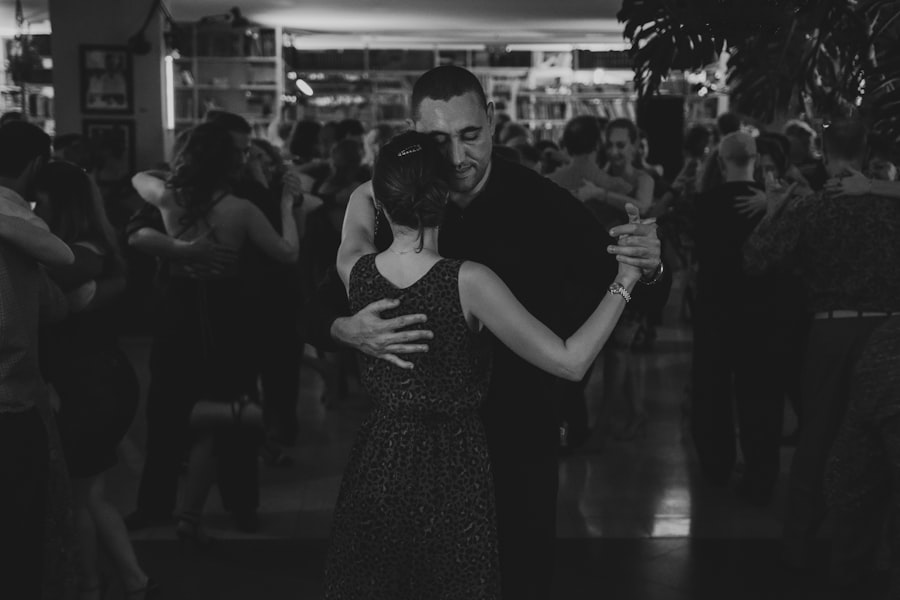
The interpretation of dance in dreams can vary significantly based on the type of dance being performed. For example, traditional dances often reflect cultural heritage and personal identity. A dream featuring folk dancing may indicate a connection to one’s roots or a desire to embrace community values. In contrast, contemporary dance styles might symbolize innovation and a break from tradition, suggesting that the dreamer is exploring new aspects of their personality or life path.
Additionally, the presence of specific dance partners can alter the meaning of the dream. Dancing with a loved one may signify harmony and emotional connection, while dancing with a stranger could represent new opportunities or challenges on the horizon. The dynamics between dancers—such as leading or following—can also provide insight into the dreamer’s relationships and social interactions. Ultimately, understanding the nuances of different types of dance in dreams allows for a more comprehensive interpretation of their significance.
The Relationship Between Dancing and Emotions in Dreams
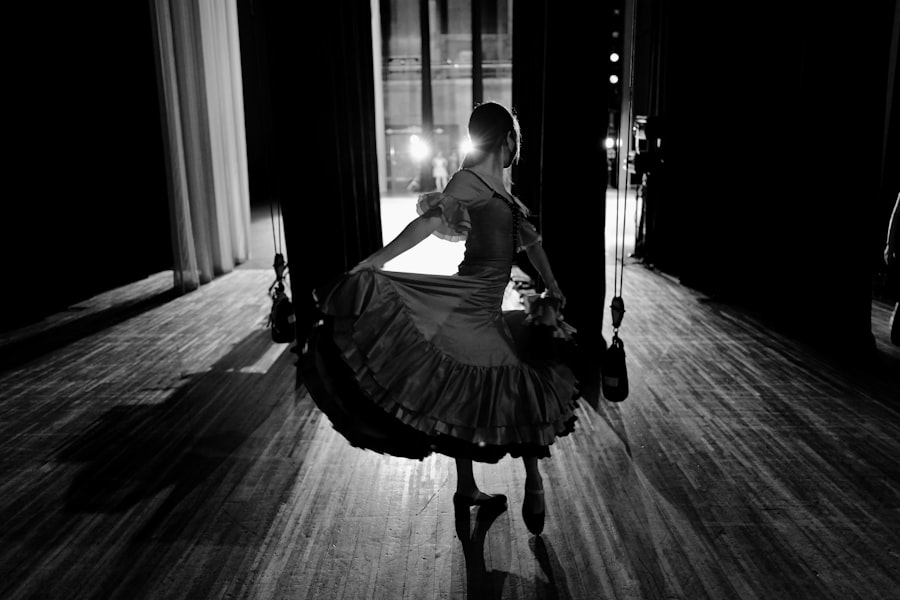
Dancing is inherently tied to emotions, both in waking life and within the realm of dreams. The act itself can evoke feelings of joy, sadness, excitement, or even anxiety. In dreams, these emotions are often amplified, providing a vivid landscape for exploration. For instance, a dreamer who experiences elation while dancing may be tapping into feelings of happiness or fulfillment in their waking life. Conversely, if the dance is marked by tension or discomfort, it may indicate unresolved issues or emotional turmoil.
The relationship between dancing and emotions in dreams can also serve as a reflection of one’s current life circumstances. A dream featuring carefree dancing might suggest that the individual is experiencing a period of contentment or success. On the other hand, if the dream involves stumbling or feeling out of sync with the music, it could signify feelings of inadequacy or insecurity. By examining these emotional connections, individuals can gain valuable insights into their psychological state and identify areas that may require attention or healing.
Cultural and Historical Perspectives on Dancing Dreams
Throughout history, dancing has held significant cultural importance across various societies. In many cultures, dance is not only an art form but also a means of communication and expression. This cultural backdrop influences how dancing dreams are perceived and interpreted. For instance, in some Indigenous cultures, dreams involving dance may be seen as spiritual messages or visions that guide individuals on their life journey.
Historically, dancing has been associated with rituals and celebrations that mark important life events such as births, marriages, and funerals. These cultural practices often imbue dancing dreams with deeper meanings related to community and identity. In contemporary society, where individualism is often emphasized, dancing dreams may reflect personal aspirations and self-discovery rather than communal ties. Understanding these cultural and historical perspectives enriches our interpretation of dancing dreams and highlights their significance across different contexts.
Common Dream Scenarios Involving Dancing
Discover the fascinating insights into the meaning of dreams and unlock the secrets of your subconscious mind.
Several common scenarios involving dancing frequently appear in dreams, each carrying its own set of interpretations. One prevalent scenario is dancing at a party or celebration. Such dreams often symbolize social connections and a desire for joy or recognition. They may indicate that the dreamer is seeking more social interaction or is currently enjoying positive relationships in their waking life.
Another common scenario involves dancing alone or in an empty space. This type of dream can reflect feelings of isolation or introspection. It may suggest that the dreamer is processing personal emotions or grappling with issues that require solitude for resolution. Additionally, dreams where one feels unable to dance—whether due to physical limitations or external pressures—can signify feelings of inadequacy or fear of judgment from others. These scenarios highlight the diverse ways in which dancing manifests in dreams and the various emotions they evoke.
Psychological and Spiritual Significance of Dancing Dreams
From a psychological perspective, dancing dreams can serve as a window into an individual’s subconscious mind. They may reveal hidden desires, fears, or conflicts that need to be addressed. Psychologists often view these dreams as opportunities for self-reflection and personal growth. By analyzing the themes and emotions present in dancing dreams, individuals can gain insights into their mental health and well-being.
On a spiritual level, dancing dreams may carry symbolic meanings related to one’s life journey or spiritual path. Many cultures believe that dreams serve as messages from the divine or as reflections of one’s spiritual state. In this context, dancing can represent alignment with one’s true self or a call to embrace one’s spiritual gifts. Engaging with these dreams through meditation or journaling can facilitate deeper understanding and connection to one’s spiritual essence.
How to Analyze and Understand Your Dancing Dreams
To analyze and understand dancing dreams effectively, individuals can begin by keeping a dream journal. Recording details immediately upon waking can help capture vivid imagery and emotions associated with the dream experience. Over time, patterns may emerge that provide insight into recurring themes or symbols related to dance.
Additionally, reflecting on personal associations with dance can enhance interpretation. Consider how different types of dance resonate with your experiences—whether they evoke joy, nostalgia, or anxiety—and how these feelings relate to your waking life circumstances. Engaging with trusted friends or therapists for discussion can also provide valuable perspectives on the meanings behind these dreams.
Ultimately, understanding dancing dreams requires an open mind and willingness to explore one’s inner world. By embracing these nocturnal experiences as opportunities for growth and self-discovery, individuals can unlock deeper insights into their emotions and aspirations. Through this process, dancing dreams can transform from mere nighttime occurrences into powerful tools for personal development and understanding.