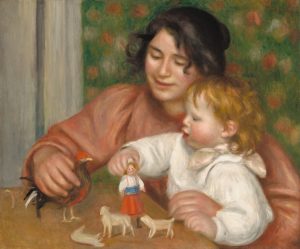
The peacock has been a symbol of beauty, grace, and elegance for centuries. Its stunning plumage and regal demeanor have made it a popular subject in art, literature, and mythology. In many cultures, the peacock is associated with immortality, renewal, and the cycle of life. Its ability to shed and regrow its feathers has led to the belief that it represents resurrection and rebirth. In Hinduism, the peacock is associated with the goddess Saraswati, who is the patron of knowledge, music, and the arts. In Greek mythology, the peacock is associated with the goddess Hera, who was often depicted with a chariot drawn by peacocks. The peacock’s association with royalty and divinity has made it a symbol of power and authority in many cultures. Its vibrant colors and majestic appearance have also made it a symbol of beauty and opulence.
The peacock’s symbolism extends beyond its physical appearance. Its distinctive call and elaborate courtship display have made it a symbol of love, romance, and courtship. In many cultures, the peacock is associated with love and fertility, and its feathers are often used in wedding ceremonies and rituals. The peacock’s symbolism is also reflected in its role as a guardian and protector. In many cultures, the peacock is believed to ward off evil spirits and bring good luck and prosperity. Its presence in gardens and parks is often seen as a sign of protection and abundance. Overall, the peacock’s symbolism is a reflection of its beauty, grace, and significance in various aspects of human life and culture.
The Magnificent Plumage of the Peacock
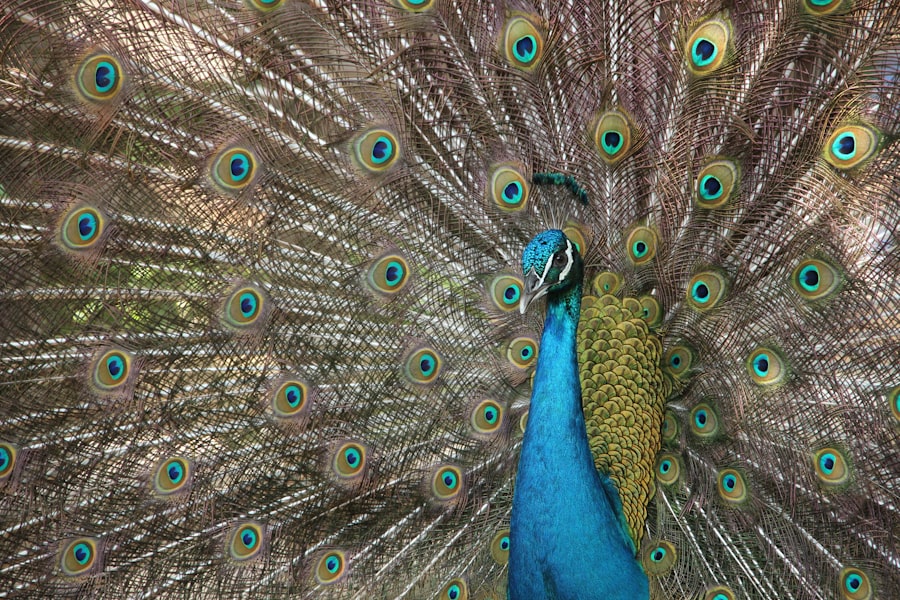
The peacock is renowned for its magnificent plumage, which is one of the most striking features of this majestic bird. The male peacock’s tail feathers, or “train,” are adorned with iridescent hues of blue, green, and gold, creating a mesmerizing display that has captivated people for centuries. The intricate patterns and vibrant colors of the peacock’s feathers have inspired artists, designers, and fashion enthusiasts around the world. The peacock’s feathers are also a symbol of luxury and opulence, often used in high-end fashion and interior design.
The peacock’s plumage serves multiple purposes beyond its aesthetic appeal. During courtship displays, the male peacock spreads its tail feathers into a fan-like display to attract potential mates. The shimmering colors and intricate patterns are used to impress females and establish dominance among rival males. The size and quality of a male peacock’s train are often used as indicators of its genetic fitness and overall health. In addition to courtship displays, the peacock’s feathers also serve as a form of protection. When threatened or startled, the peacock will raise its feathers to create a larger, more intimidating silhouette to ward off predators.
The peacock’s plumage is a testament to the beauty and diversity of the natural world. Its iridescent colors and intricate patterns have inspired countless works of art and have become a symbol of elegance and grace. The peacock’s feathers are not only a marvel of nature but also a reflection of the bird’s significance in human culture and society.
The Courtship Dance of the Peacock
The courtship dance of the peacock is a mesmerizing display of beauty and grace that has captivated people for centuries. During mating season, male peacocks perform an elaborate dance to attract potential mates. The dance begins with the male peacock calling out to nearby females with a distinctive “call” that is both enchanting and alluring. Once he has captured their attention, he spreads his tail feathers into a magnificent fan-like display, creating a stunning visual spectacle that is accompanied by rhythmic movements and graceful gestures.
The courtship dance of the peacock serves as a form of communication and competition among males vying for the attention of females. The shimmering colors and intricate patterns of the male’s tail feathers are used to impress females and establish dominance among rival males. The size and quality of a male peacock’s train are often used as indicators of its genetic fitness and overall health. The courtship dance is not only a display of physical prowess but also a demonstration of creativity and artistry as each male strives to outshine his competitors with his unique style and flair.
The courtship dance of the peacock is a testament to the power of beauty and grace in the natural world. It is a captivating display that showcases the bird’s elegance and charm, as well as its significance in the cycle of life and reproduction. The courtship dance has become an iconic symbol of love, romance, and courtship in many cultures, reflecting the universal appeal of this enchanting display.
The Mystique of the Peacock in Different Cultures
| Culture | Symbolism |
|---|---|
| Indian | Immortality, compassion, love, and patience |
| Chinese | Beauty, good luck, and harmony |
| Greek | Immortality, royalty, and protection |
| Christian | Resurrection and immortality |
The peacock holds a special place in various cultures around the world, where it is revered for its beauty, grace, and symbolism. In Hinduism, the peacock is associated with the goddess Saraswati, who is the patron of knowledge, music, and the arts. The peacock’s feathers are often used in religious ceremonies and rituals as symbols of purity and enlightenment. In Greek mythology, the peacock is associated with the goddess Hera, who was often depicted with a chariot drawn by peacocks. The peacock’s association with royalty and divinity has made it a symbol of power and authority in many cultures.
In Christianity, the peacock has been associated with immortality and resurrection due to its ability to shed and regrow its feathers. The peacock’s vibrant colors and regal appearance have made it a symbol of eternal life and renewal in Christian art and iconography. In Islam, the peacock is believed to be a symbol of compassion, kindness, and benevolence. Its presence in Islamic art and architecture reflects its significance as a symbol of beauty and grace.
The mystique of the peacock in different cultures reflects its universal appeal as a symbol of beauty, grace, and significance in various aspects of human life and spirituality. Its symbolism transcends cultural boundaries, making it an iconic figure in art, literature, mythology, and religious traditions around the world.
The Peacock as a Source of Inspiration in Art and Literature
The peacock has long been a source of inspiration for artists, writers, and poets who have been captivated by its beauty, grace, and symbolism. In art, the peacock’s vibrant plumage has been depicted in paintings, sculptures, textiles, and decorative arts throughout history. Its iridescent colors and intricate patterns have inspired countless works of art that celebrate the bird’s elegance and majesty. In literature, the peacock has been used as a symbol of beauty, opulence, and regal splendor in poetry, prose, and mythology.
The peacock’s symbolism as a symbol of love, romance, and courtship has been a recurring theme in art and literature. Its courtship dance has been immortalized in paintings, poems, and stories that capture the bird’s enchanting display of beauty and grace. The peacock’s feathers have also been used as symbols of royalty, divinity, and immortality in art and literature across different cultures.
The peacock’s presence in art and literature reflects its enduring appeal as a symbol of beauty, grace, and significance in human culture and creativity. Its vibrant plumage has inspired countless works of art that celebrate its elegance and majesty while its symbolism has been woven into stories that capture its enchanting presence in human imagination.
The Conservation of the Peacock Species
The conservation of the peacock species is an important endeavor to ensure the survival of these magnificent birds for future generations to admire and appreciate. Peacocks are facing threats from habitat loss, poaching, and illegal trade which have led to declining populations in many parts of their natural range. Conservation efforts are focused on protecting their habitats, preventing poaching, raising awareness about their plight among local communities, and implementing measures to mitigate human-wildlife conflicts.
Conservation organizations are working tirelessly to protect peacocks through habitat restoration projects that aim to preserve their natural habitats from deforestation, urbanization, and agricultural expansion. These efforts are crucial for maintaining healthy populations of peacocks in their native environments while also benefiting other wildlife species that share their habitats.
In addition to habitat protection measures, conservationists are also working to combat poaching by implementing stricter laws against illegal hunting and trade of peacocks for their feathers or meat. Education programs are being conducted to raise awareness about the importance of protecting these birds among local communities who live near their habitats.
Overall, conservation efforts are essential for safeguarding the future of these magnificent birds so that they can continue to enchant people with their beauty for generations to come.
The Enchanting Presence of the Peacock in Gardens and Parks
The enchanting presence of the peacock in gardens and parks has made these spaces even more magical for visitors who are captivated by their beauty and grace. Many gardens around the world are home to resident peacocks that roam freely among lush landscapes, adding an element of wonder and charm to these serene settings.
The presence of peacocks in gardens and parks not only enhances their aesthetic appeal but also serves as a reminder of the importance of preserving natural habitats for wildlife conservation. Visitors are often enchanted by the sight of these majestic birds displaying their vibrant plumage as they roam freely through garden paths or perch on tree branches.
Peacocks have become iconic symbols of beauty, grace, and elegance in gardens around the world where they are celebrated for their enchanting presence that adds an element of wonder to these serene settings.
In conclusion, the peacock’s symbolism as a symbol of beauty, grace, love, romance, power, authority, divinity, immortality has made it an iconic figure in art, literature mythology across different cultures around the world. Its vibrant plumage has inspired countless works of art that celebrate its elegance while its symbolism has been woven into stories that capture its enchanting presence in human imagination. Conservation efforts are essential for safeguarding the future of these magnificent birds so that they can continue to enchant people with their beauty for generations to come while their enchanting presence adds an element of wonder to gardens around the world where they are celebrated for their elegance.
I recently read an interesting article on the symbolism of animals in dreams. The article discussed the significance of dreaming about different animals, including the peacock. It delved into the potential meanings behind dreaming of a peacock, such as beauty, confidence, and self-expression. It was a fascinating read and provided some valuable insights into the interpretation of dreams involving peacocks.
FAQs
What does it mean to dream of a peacock?
Dreaming of a peacock can symbolize beauty, pride, and confidence. It may also represent new opportunities and growth.
Is dreaming of a peacock a common dream?
Dreaming of a peacock is not as common as some other dream symbols, but it is not rare either. Many people have reported dreaming of peacocks at some point in their lives.
Are there different interpretations of dreaming of a peacock?
Yes, there are different interpretations of dreaming of a peacock depending on the context of the dream and the dreamer’s personal experiences and emotions.
What should I do if I dream of a peacock?
If you dream of a peacock, it may be helpful to reflect on the emotions and thoughts you experienced in the dream. Consider how the peacock made you feel and what it may symbolize in your waking life.
Can dreaming of a peacock have any cultural or religious significance?
In some cultures, the peacock is considered a symbol of immortality, renewal, and spirituality. In Hinduism, the peacock is associated with the goddess Lakshmi and is considered a symbol of good luck and prosperity.