
The experience of being unable to scream in dreams is a common phenomenon reported by many individuals. This sensation often occurs during nightmares or distressing dream scenarios, where the dreamer finds themselves in a situation of fear or danger but is unable to vocalize their terror. This inability to scream can lead to feelings of helplessness and frustration upon waking, as the dreamer grapples with the limitations of their dream state. The phenomenon raises questions about the nature of consciousness and the mechanisms that govern our experiences while we sleep.
Dreams are a complex interplay of thoughts, emotions, and memories, and the inability to scream may reflect deeper psychological states. Many people report that this experience is accompanied by a sense of paralysis or immobility, further intensifying the feeling of being trapped within their own mind. The phenomenon can be linked to various factors, including stress, anxiety, and unresolved emotional conflicts. Understanding why this occurs can provide insight into the broader implications of our subconscious mind and its influence on our waking lives.
Key Takeaways
- Being unable to scream in dreams is a common phenomenon linked to both psychological and physiological factors.
- This experience often reflects feelings of helplessness, anxiety, or suppressed emotions in waking life.
- Nightmares frequently involve the inability to scream, intensifying the sense of fear and powerlessness.
- Coping strategies include relaxation techniques, dream journaling, and stress management to reduce distress.
- Recurring dreams of being unable to scream may warrant professional help to address underlying emotional or psychological issues.
The psychological implications of being unable to scream in dreams
The psychological implications of being unable to scream in dreams can be profound. This experience often symbolizes feelings of powerlessness or a lack of control in one’s waking life. When individuals find themselves in situations where they cannot express their fear or distress, it may mirror real-life scenarios where they feel similarly constrained. This disconnect between the desire to vocalize and the inability to do so can lead to increased anxiety and stress, both during sleep and upon waking.
Moreover, the inability to scream in dreams can serve as a reflection of internal conflicts or unresolved issues. It may indicate that the dreamer is struggling to confront certain emotions or situations in their life. The dream becomes a manifestation of these struggles, highlighting the need for self-exploration and emotional processing. By examining the context of these dreams, individuals may gain valuable insights into their mental health and emotional well-being.
The physiological reasons behind being unable to scream in dreams
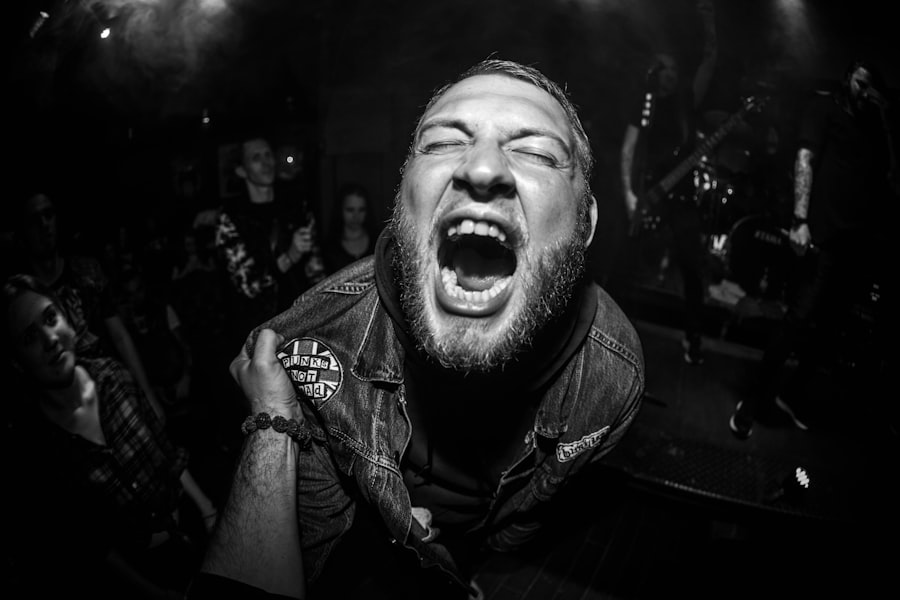
From a physiological perspective, the inability to scream in dreams can be attributed to the body’s natural response during sleep. During REM (Rapid Eye Movement) sleep, when most vivid dreaming occurs, the body experiences a temporary paralysis known as REM atonia. This paralysis prevents individuals from acting out their dreams, which is a protective mechanism designed to keep them safe from potential harm. While this paralysis serves an important function, it can also contribute to the sensation of being unable to scream.
Additionally, the brain’s activity during dreaming differs significantly from its activity while awake. The areas responsible for speech production may be less active during REM sleep, further complicating the ability to vocalize within dreams. This physiological response can create a dissonance between the emotional intensity of the dream and the physical limitations imposed by the body’s state during sleep. Understanding these mechanisms can help demystify the experience and provide a clearer picture of how our bodies and minds interact during dreaming.
The connection between nightmares and the inability to scream in dreams
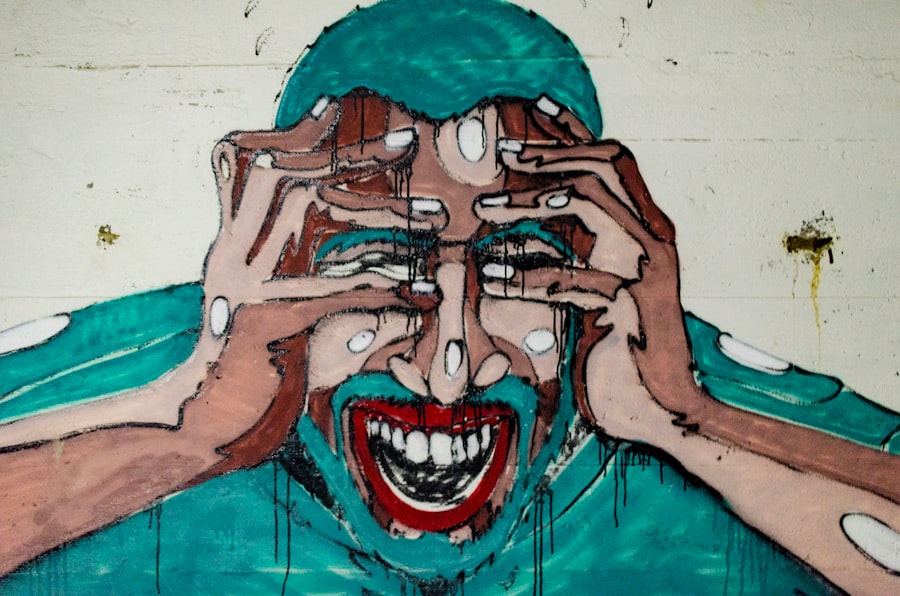
Nightmares are often closely associated with the inability to scream in dreams. These distressing dreams typically involve themes of fear, anxiety, or danger, which can trigger intense emotional responses. When faced with such scenarios, individuals may find themselves wanting to cry out for help or express their fear but are met with silence instead. This connection highlights the interplay between emotional experiences and physiological responses during sleep.
The inability to scream during nightmares can exacerbate feelings of fear and helplessness. As individuals navigate through frightening dream landscapes, their desire for vocal expression becomes a source of frustration. This cycle can lead to a heightened sense of anxiety about sleep itself, as individuals may begin to dread the possibility of experiencing nightmares where they feel trapped and voiceless. Recognizing this connection can be an important step in addressing both nightmares and the emotional responses they evoke.
Coping strategies for dealing with the inability to scream in dreams
Coping with the inability to scream in dreams involves a combination of self-awareness and practical strategies. One effective approach is to maintain a dream journal, where individuals can record their dreams upon waking. This practice not only helps in processing emotions but also allows for reflection on recurring themes or patterns that may be contributing to feelings of powerlessness. By identifying these patterns, individuals can work towards addressing underlying issues in their waking lives.
Another strategy is practicing relaxation techniques before bedtime. Engaging in mindfulness meditation or deep-breathing exercises can help reduce overall anxiety levels, potentially leading to more peaceful sleep experiences. Additionally, creating a calming bedtime routine can signal to the body that it is time to wind down, which may help mitigate nightmares and the associated feelings of helplessness. By incorporating these strategies into their nightly routine, individuals may find themselves better equipped to handle distressing dreams.
Seeking professional help for recurring dreams of being unable to scream
Discover the fascinating insights into the meaning of dreams and unlock the secrets of your subconscious mind.
For those who experience recurring dreams of being unable to scream, seeking professional help may be beneficial. A mental health professional can provide support in exploring the underlying causes of these dreams and offer strategies for coping with associated anxiety or distress. Therapy modalities such as cognitive-behavioral therapy (CBT) can be particularly effective in addressing nightmares and their psychological impacts.
In therapy, individuals can work through unresolved emotions or traumas that may be manifesting in their dreams. By discussing these experiences in a safe environment, they can gain insights into their fears and develop healthier coping mechanisms. Additionally, professionals may introduce techniques such as imagery rehearsal therapy (IRT), which involves visualizing alternative outcomes for nightmares, thereby reducing their frequency and intensity over time.
Exploring the cultural and historical significance of the inability to scream in dreams
The inability to scream in dreams has been explored across various cultures and historical contexts. In many societies, dreams have been viewed as windows into the subconscious or as messages from a spiritual realm. The experience of being unable to vocalize fear within a dream has often been interpreted as a sign of spiritual distress or an indication that one is grappling with significant life challenges.
Historically, literature and folklore have depicted characters who experience similar phenomena as symbolic representations of broader human struggles. These narratives often highlight themes of isolation, fear, and the quest for empowerment. By examining these cultural interpretations, we can gain a deeper understanding of how societies have historically approached the complexities of dreaming and its psychological implications.
Understanding the potential symbolism of being unable to scream in dreams
The symbolism behind being unable to scream in dreams is multifaceted and can vary significantly from person to person. For some, it may represent suppressed emotions or unexpressed fears that need acknowledgment. The act of screaming often symbolizes a release of pent-up feelings; thus, its absence in dreams may indicate that these emotions are being stifled in waking life.
Additionally, this phenomenon can symbolize a struggle for autonomy or self-advocacy. Individuals who feel voiceless or marginalized in their daily lives may find this theme manifesting in their dreams as an inability to express themselves vocally. By exploring these symbolic meanings, individuals can gain insights into their emotional landscapes and work towards reclaiming their voices both in dreams and reality.
In conclusion, the phenomenon of being unable to scream in dreams encompasses various psychological, physiological, cultural, and symbolic dimensions. Understanding this experience requires an exploration of its implications on mental health and emotional well-being while also considering coping strategies and professional support when necessary. By delving into this complex interplay between mind and body during sleep, individuals can better navigate their dream experiences and address any underlying issues that may arise from them.