Dreams have long been a subject of fascination, often serving as a window into our subconscious mind. Among the myriad of symbols that can appear in dreams, snakes hold a particularly potent place. The imagery of snakes in dreams can evoke a range of emotions, from fear and anxiety to transformation and healing.
This duality makes snake dreams a rich area for exploration, as they can reflect both our deepest fears and our potential for growth. Understanding the significance of these dreams requires delving into the cultural, psychological, and personal contexts that shape our perceptions of snakes. The prevalence of snake imagery in dreams is not merely coincidental; it is deeply rooted in human psychology and cultural symbolism.
Snakes are often associated with primal instincts, hidden fears, and transformative experiences. When they slither into our dreams, they can serve as messengers from our subconscious, urging us to confront unresolved issues or embrace change. The complexity of snake symbolism invites individuals to reflect on their own experiences and emotions, making the interpretation of these dreams a deeply personal journey. Explore the fascinating world of meaning of dreams with our expert psychics.
Key Takeaways
- Snake dreams are a common phenomenon and can hold significant meaning in various cultures and psychological interpretations.
- Snakes are often seen as symbols of transformation, healing, and renewal in many cultures, but can also represent danger and fear in others.
- Common interpretations of snake dreams include feelings of fear, anxiety, or being threatened, as well as themes of transformation and personal growth.
- Psychological analysis of snake dreams often delves into the subconscious mind and the individual’s personal experiences and emotions.
- Possible reasons for having snake dreams can range from personal fears and anxieties to unresolved issues and the need for change or transformation.
Symbolism of snakes in different cultures
Throughout history, snakes have been imbued with a variety of meanings across different cultures. In many ancient civilizations, snakes were revered as symbols of wisdom and healing. For instance, in ancient Egypt, the cobra was associated with royalty and protection, often depicted on the crowns of pharaohs.
The Egyptian goddess Wadjet was represented as a snake and was believed to safeguard the nation. Similarly, in Hinduism, the serpent god Naga embodies both protection and fertility, symbolizing the cyclical nature of life and death. Conversely, in Western cultures, snakes often carry negative connotations.
The biblical story of Adam and Eve features a serpent as the tempter, leading to humanity’s fall from grace. This narrative has contributed to a longstanding association between snakes and deceit or danger. In folklore and mythology, snakes frequently appear as antagonists or symbols of treachery.
However, this dichotomy is not universal; in some Native American cultures, for example, snakes are seen as symbols of renewal and transformation, shedding their skin to signify rebirth.
Common interpretations of snake dreams
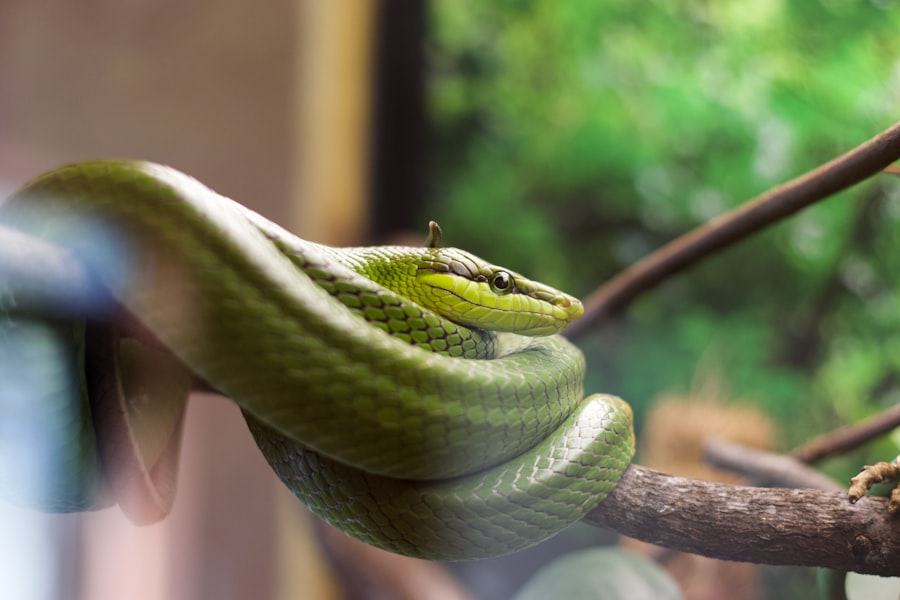
When individuals dream of snakes, the interpretations can vary widely based on personal experiences and cultural backgrounds. One common interpretation is that snakes represent hidden fears or anxieties that need to be addressed. For instance, dreaming of a snake may indicate that the dreamer is grappling with feelings of betrayal or deception in their waking life.
The snake’s presence can serve as a reminder to confront these emotions rather than allowing them to fester beneath the surface. Another prevalent interpretation is that snakes symbolize transformation and change. Just as snakes shed their skin, dreaming of a snake may signify that the dreamer is undergoing a significant life transition or personal growth.
This interpretation aligns with the idea that snakes can embody both danger and healing; while they may evoke fear, they also represent the potential for renewal and self-discovery. In this context, encountering a snake in a dream could be seen as an invitation to embrace change and let go of old patterns that no longer serve one’s well-being.
Psychological analysis of snake dreams
From a psychological perspective, snake dreams can be analyzed through various lenses, including Freudian and Jungian theories. Sigmund Freud posited that snakes might represent repressed sexual desires or fears. In this view, the phallic shape of a snake could symbolize male sexuality or aggression, suggesting that the dreamer may be grappling with issues related to intimacy or power dynamics in relationships.
Freud’s emphasis on the unconscious mind highlights how snake dreams can reveal underlying conflicts or desires that are not readily acknowledged in waking life. Carl Jung’s approach offers a different perspective by focusing on archetypes and the collective unconscious. Jung believed that snakes could represent the shadow aspect of the self—the parts of our personality that we may reject or deny.
In this context, dreaming of a snake might indicate that the dreamer is being called to confront their shadow self and integrate these hidden aspects into their conscious awareness. This process can lead to greater self-acceptance and personal growth, as individuals learn to embrace all facets of their identity.
Possible reasons for having snake dreams
There are several reasons why individuals may experience snake dreams, often linked to their emotional state or life circumstances. Stress and anxiety are common triggers for vivid dreaming, and snakes may emerge as symbols of these feelings. For example, someone facing significant life changes—such as a new job or relationship—might dream of snakes as manifestations of their apprehension about the unknown.
The dream serves as an outlet for these emotions, allowing the individual to process their fears in a symbolic manner. Additionally, unresolved conflicts or traumas can also lead to snake dreams. If someone has experienced betrayal or deception in their relationships, they may find themselves dreaming about snakes as representations of these painful experiences.
The dream may serve as a way for the subconscious mind to work through feelings of hurt or mistrust. In this sense, snake dreams can act as a catalyst for healing by prompting individuals to confront their emotions and seek resolution.
Ways to interpret and understand snake dreams
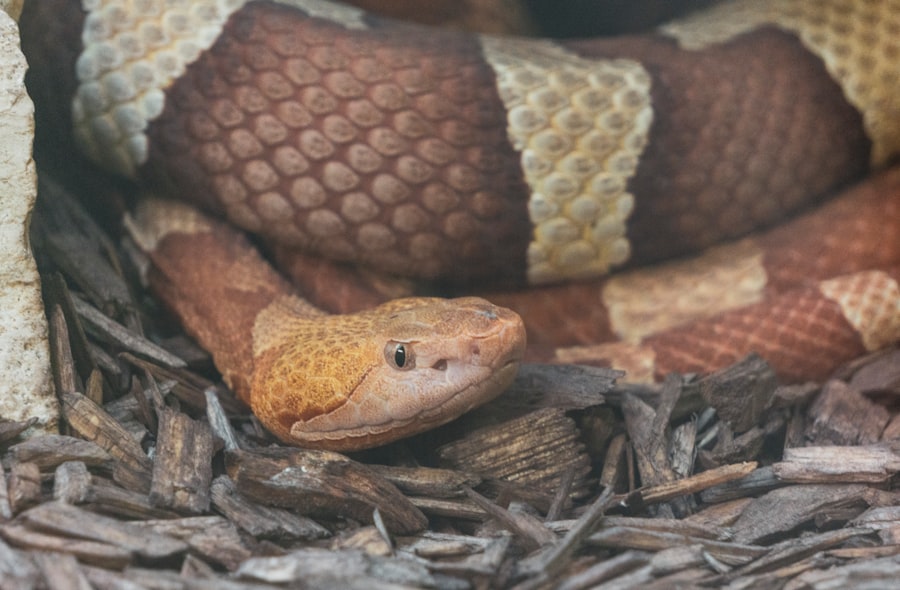
Interpreting snake dreams requires a nuanced approach that considers both personal context and cultural symbolism. One effective method is to keep a dream journal where individuals can record their dreams immediately upon waking. This practice allows for reflection on recurring themes or emotions associated with snake imagery.
By documenting feelings experienced during the dream—such as fear, curiosity, or empowerment—individuals can gain insights into what the snake may represent in their waking life. Another approach involves exploring personal associations with snakes. For instance, if someone has had positive experiences with snakes—such as encounters with non-venomous species—they may interpret their dream differently than someone who has had traumatic experiences with snakes.
Engaging in self-reflection about these associations can provide valuable context for understanding the dream’s meaning. Additionally, discussing dreams with trusted friends or therapists can offer new perspectives and facilitate deeper exploration of underlying emotions.
How to overcome fear and anxiety related to snake dreams
For those who experience fear or anxiety related to snake dreams, there are several strategies that can help mitigate these feelings. One effective technique is grounding exercises that promote relaxation and mindfulness. Practicing deep breathing or engaging in meditation can help individuals center themselves when faced with anxiety-inducing thoughts about snakes.
By cultivating a sense of calmness, individuals may find it easier to confront their fears rather than allowing them to dominate their thoughts. Another approach involves gradually desensitizing oneself to the fear associated with snakes. This could include educating oneself about snakes—learning about their behavior, habitats, and ecological importance—to demystify them and reduce fear-based reactions.
Exposure therapy techniques can also be beneficial; for example, watching documentaries about snakes or visiting reptile exhibits can help individuals confront their fears in a controlled environment. Over time, this exposure can lead to increased comfort and reduced anxiety surrounding both real-life encounters with snakes and their appearances in dreams.
Seeking professional help for recurring snake dreams
In cases where snake dreams become recurrent and significantly impact an individual’s well-being, seeking professional help may be warranted. A licensed therapist or psychologist can provide valuable support in exploring the underlying issues contributing to these dreams. Through talk therapy or cognitive-behavioral techniques, individuals can work through unresolved conflicts or traumas that may be manifesting in their dream life.
Therapists trained in dream analysis can also assist individuals in interpreting their dreams more deeply, helping them uncover hidden meanings and emotions associated with snake imagery. This therapeutic process can foster greater self-awareness and empower individuals to address fears or anxieties that may be affecting their daily lives. Ultimately, professional guidance can facilitate healing and personal growth by providing tools for understanding and integrating the messages conveyed through snake dreams.